Dental Assisting Program FAQs Answered
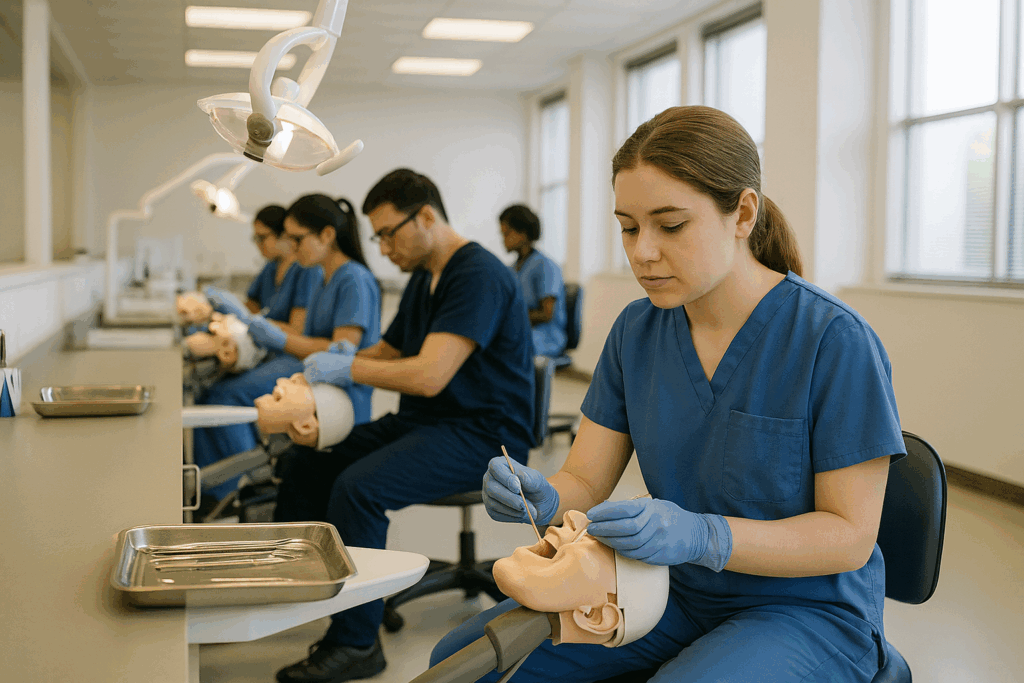
BLOG POST Dental Assisting Program FAQs Answered What Is a Dental Assisting Program? A dental assisting program is a structured training course that prepares students to work alongside dentists in both clinical and administrative roles. The first step toward a dental career often starts here. In this program, students acquire essential skills, including chairside assisting, sterilization techniques, patient care, X-ray safety, and office management. How Long Does a Dental Assisting Program Take? Most dental assisting programs are designed to be completed in less than a year, with some accelerated options finishing in as little as 12 weeks. Program length depends on whether the student attends full-time, part-time, or only on weekends. This flexibility enables students with busy schedules to pursue training without compromising their career goals. What Do You Learn in a Dental Assisting Program? A well-structured dental assisting program provides both classroom instruction and hands-on experience. Students typically learn: Dental terminology and anatomy How to prepare treatment rooms and sterilize tools X-ray procedures and patient safety guidelines Record keeping and office administration Effective communication with patients and dental staff This mix of technical and interpersonal training ensures graduates are job-ready from day one. Is a Dental Assisting Program Worth It? Yes. Completing a dental assisting program opens the door to stable, in-demand jobs in the dental field. According to the U.S. Bureau of Labor Statistics, the field of dental assisting continues to grow at a rate faster than average compared to other careers. Many students also find satisfaction in helping patients feel at ease and confident during their visits. Do You Need Certification After a Dental Assisting Program? After graduation, some states require certification or licensing exams. These can include the Dental Assisting National Board (DANB) exam or state-specific certifications. Most schools help prepare students for these requirements, ensuring they can enter the workforce without delays. How Do You Enroll in a Dental Assisting Program? Enrollment typically requires a high school diploma or GED. Some programs may ask for proof of immunizations or a background check due to the healthcare setting. Students can apply online, attend an information session, and speak with admissions counselors to gain a better understanding of the requirements. What Career Opportunities Come After a Dental Assisting Program? Graduates of a dental assisting program can work in: Private dental practices Specialty dental offices (orthodontics, oral surgery, etc.) Public health clinics Educational institutions Dental product sales and support With experience, dental assistants may also advance to office managers, instructors, or even pursue further dental education. Start Your Dental Career Today A dental assisting program is the first step toward a rewarding career that blends healthcare and patient support. From learning hands-on skills to preparing for certification, the journey is straightforward and achievable. Ready to get started? Contact us today to learn more about enrolling in our program. Also, visit our GLG Dental Assisting School blog for more resources and helpful articles. Share This on Social Media
Why Dental Anatomy Classes Matter for Aspiring Assistants
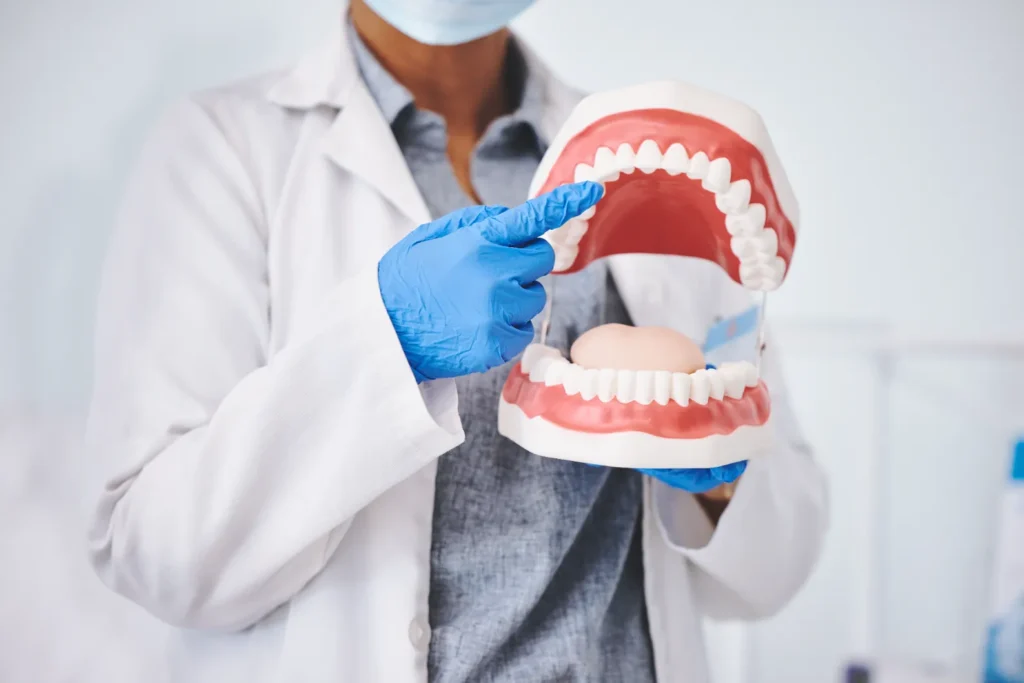
BLOG POST Why Dental Anatomy Classes Matter for Aspiring Assistants Dental anatomy classes are essential for anyone starting a career in dental assisting. From identifying teeth to understanding oral structures, this core subject builds the knowledge and confidence needed to provide safe and effective patient care. If you’re preparing for a dental assisting program, mastering dental anatomy should be one of your top priorities. It’s more than a classroom requirement—it’s the gateway to becoming a skilled, reliable professional in any dental setting. The Foundation of Every Dental Procedure Dental anatomy classes teach the names, shapes, and functions of teeth, as well as the structure of the mouth, gums, jawbone, and tongue. Knowing these details helps dental assistants distinguish between normal and abnormal conditions. Whether supporting a dentist during a filling or cleaning tools used for extractions, understanding what’s happening inside a patient’s mouth is critical. This fundamental knowledge helps assistants follow procedures more efficiently and identify potential issues early on. Dental Anatomy Classes and Patient Safety Proper knowledge of dental anatomy from classes enables assistants to anticipate a dentist’s needs, explain procedures to patients, and minimize errors. For example, identifying the right quadrant and tooth number ensures accuracy during procedures. If an assistant can’t distinguish between a molar and a premolar, they could hand the wrong tool or prep the incorrect area. This is why anatomy training is a safety essential. It supports smooth workflows and protects patients from avoidable complications. Enhancing Chairside Assisting Skills Chairside support is one of the main roles of a dental assistant. Dental anatomy classes improve performance by helping students understand how oral structures affect procedures. When a dentist is working on a root canal, the assistant must be aware of the root’s length, curvature, and position. That knowledge allows for more accurate suctioning, retraction, and tool handling—making the assistant a valuable part of the team. It also speeds up procedures and contributes to a more comfortable experience for the patient. Improving Communication with Patients Patients often have questions about their treatment. With dental anatomy training, assistants can confidently explain fundamental oral health issues in easy-to-understand terms. For example, instead of saying, “You need a procedure on tooth 13,” they can explain it’s the upper left second premolar. This builds trust and helps patients feel informed and cared for. Good communication also reduces patient anxiety and ensures they understand their follow-up care instructions. Preparing for Certification and Job Success Many certification exams include questions based on content from dental anatomy classes. Reviewing this subject can improve test scores and job readiness. It also gives new assistants an advantage when applying for jobs. Employers are more likely to hire candidates who can confidently identify oral structures and understand dental terminology. Plus, strong anatomy knowledge lays the groundwork for career advancement and continuing education in dental hygiene or other specialties. Final Thoughts: Building Confidence Through Education Dental anatomy classes aren’t just about memorizing teeth—they’re about building the skills that make a successful dental assistant. From safety and communication to hands-on support, this foundational knowledge sets the stage for long-term success in the field. It’s one of the first steps in transforming interest into impact in a rewarding healthcare career. Looking for a quality dental assisting program that includes in-depth anatomy training? Contact us today to learn more about our curriculum and upcoming enrollment dates. Read more on our GLG Dental Assisting School blog for tips, guides, and success stories from dental assistants like you. Share This on Social Media